
As a retailer, one of the most important decisions you’ll make is whether to use a traditional cash register or a point-of-sale (POS) system. While cash registers have been around for over a century, POS systems have become increasingly popular in recent years. So, which one is right for your business? In this blog post, we’ll compare cash registers and POS systems to help you make an informed decision.

A cash register is a mechanical or electronic device used in retail establishments to record sales transactions and process payments. It is typically composed of a drawer to store cash, a keyboard or touchscreen to input transactions, and a printer to produce receipts. Cash registers are an essential tool for businesses to keep track of their sales and manage their cash flow.
The first cash register was invented by James Ritty in 1879, a saloon owner who wanted to prevent his employees from stealing cash from the register. The original cash register was a mechanical device that used a series of levers and gears to record sales transactions and display the total amount due. The invention was later improved upon by John H. Patterson, who founded the National Cash Register Company and made the cash register a ubiquitous tool in American businesses.
Today, cash registers come in a variety of shapes and sizes, ranging from small, handheld devices to large, computerized systems. They are essential tools for businesses of all sizes, from small mom-and-pop shops to large retail chains.
One of the primary functions of a cash register is to record sales transactions. When a customer purchases a product or service, the cashier inputs the transaction information, such as the product name and price, into the cash register. The cash register then calculates the total amount due, including any taxes or discounts, and displays it for the customer to see. Once the customer pays for the transaction, the cashier inputs the payment information and the cash register calculates the change due. The cash drawer then opens, allowing the cashier to give the customer their change and close the transaction.
Cash registers also have other features that can help businesses manage their sales and cash flow. Many cash registers have built-in inventory management systems that can help businesses keep track of their stock levels and reorder products when necessary. Some cash registers can also generate reports that show sales trends, revenue by product or department, and other data that can help businesses make informed decisions about their operations.
In addition to recording sales transactions, cash registers are also an essential tool for managing cash flow. The cash drawer of a cash register is used to store cash and coins, and the cashier is responsible for counting the cash at the beginning and end of each shift to ensure that the register balance is accurate. This helps prevent errors and theft, and ensures that the business has an accurate record of its cash flow.
While cash registers were traditionally mechanical devices, many modern cash registers are electronic or computerized. These systems use software to process transactions and manage inventory, and often include features such as touchscreen interfaces, barcode scanners, and integrated credit card processing. Electronic cash registers are typically more versatile than mechanical cash registers and can be customized to meet the needs of individual businesses.
Cash registers have become an essential tool for businesses of all sizes and types. They allow businesses to record sales transactions, manage inventory, and track their cash flow. While the basic function of a cash register has remained the same over the years, the technology and features of cash registers have evolved to meet the needs of modern businesses. Whether a business uses a mechanical cash register or a computerized system, a reliable and efficient cash register is essential for managing sales and cash flow.
Pros:
Cons:
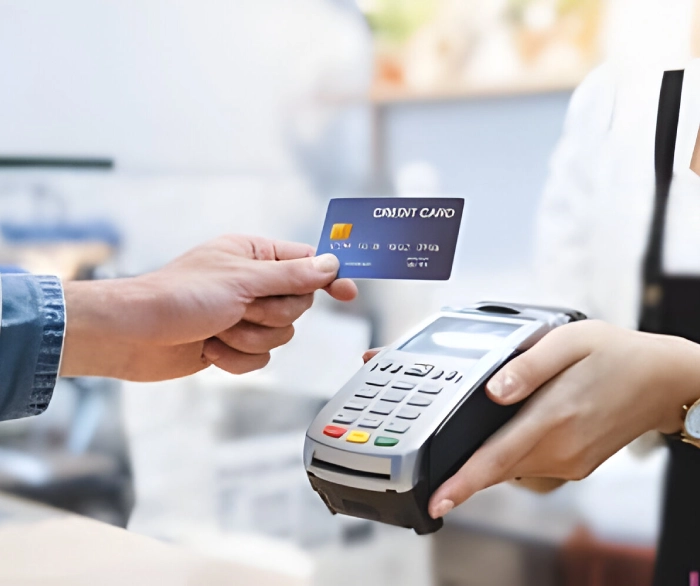
POS systems are more advanced than cash registers, offering a range of features and functionalities. POS systems typically include hardware such as a touch screen, barcode scanner, receipt printer, and cash drawer, as well as software that allows you to manage sales, inventory, and customer data. POS systems can be cloud-based or installed locally, and they come in a range of sizes and configurations to suit different businesses.
Pros:
Cons:

When deciding between a cash register and a POS system, it’s essential to consider various factors, including your budget, business needs, and long-term goals. Here’s a detailed look at what you should keep in mind:
Budget: If your business has a tight budget, cash registers are typically more affordable upfront. They are a cost-effective solution for businesses with straightforward transaction needs. On the other hand, POS systems can be more expensive initially but often offer better long-term value due to their advanced features and functionalities.
Business Needs: Evaluate the specific needs of your business. For small businesses with limited inventory and simple transaction requirements, a cash register might suffice. They are easy to use and don’t require extensive training. However, if your business involves a more complex inventory, frequent sales promotions, or requires detailed reporting, a POS system would be more beneficial. POS systems offer features like inventory management, customer relationship management, and detailed sales analytics.
Long-Term Goals: Consider where you see your business in the future. If you plan to expand your operations, add more locations, or need to adapt quickly to market changes, a POS system offers the scalability and flexibility to support your growth. POS systems can integrate with other business tools and software, helping you streamline operations as your business grows.
Ultimately, the decision between a cash register and a POS system will depend on your specific business needs and goals. Cash registers are ideal for businesses seeking simplicity and cost-effectiveness, whereas POS systems are suited for those looking for advanced capabilities and growth potential. By carefully evaluating your options and considering the pros and cons of each, you can make an informed decision that will help you manage your business more effectively. Whether you choose a cash register or a POS system, the key is to ensure that it aligns with your operational requirements and future ambitions.

Unlock the potential of seamless payment processing with Daystar Payments. If you’re seeking to elevate your business with a reliable merchant account or exploring our comprehensive suite of payment processing solutions, we’re here to help. Take the first step towards efficiency and growth by applying now. Your journey to simplified transactions starts here. Click the button below to know more.